By: Beanie Geoghegan
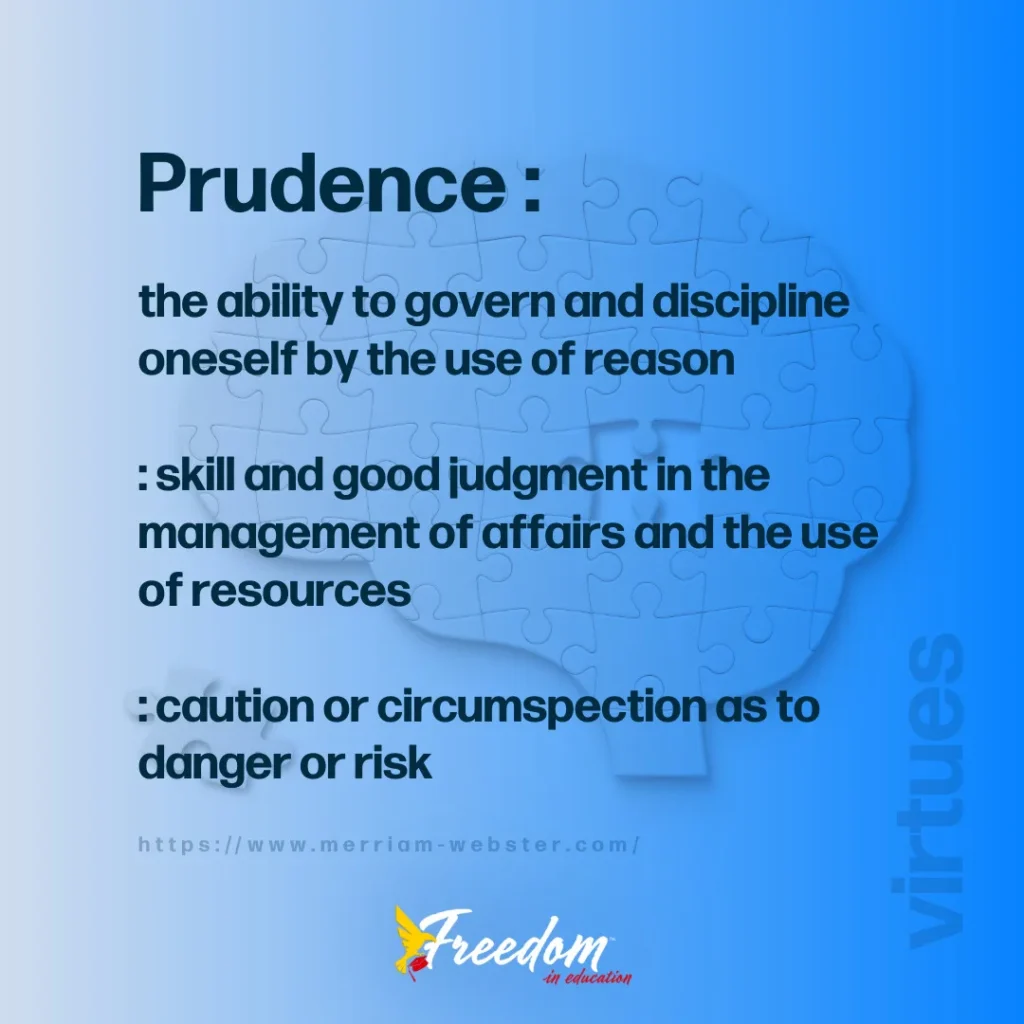
As Freedom In Education highlights financial literacy in schools this month, it is the perfect time to also highlight a key virtue we believe goes hand in hand with the topic: prudence. The Merriam-Webster dictionary defines prudence as “the ability to govern and discipline oneself by the use of reason” and “skill and good judgment in the management of affairs and the use of resources”. Learning about earning, saving, and investing money will be much more valuable if students are simultaneously taught to practice prudence in their finances and every aspect of their lives.
When pondering the name of our organization a few years ago, we knew we wanted our mission to be grounded in freedom. Of course, we knew reading was foundational to ensuring students could thrive as independent, free adults. Frederick Douglass’ words, “Once you learn to read, you will be forever free,” certainly inspired our focus on literacy and promoting good books for children and teens.
Our initiative to restore K-12 civics education was motivated by the understanding that only knowledgeable citizens who understand why our country was founded, how our government is supposed to function, and what their role in it is will enjoy the true freedom that America offers those who wish to embrace it.
It is also our belief that teaching and cultivating virtue when students are young is key to helping them experience genuine freedom later in life. That belief was the motivation behind our virtues campaign, which encourages schools to use literature to highlight and exemplify specific virtues for students. When discussing our financial literacy initiative, we realized that freedom from debt and financial stress is directly related to and reliant on one of those core virtues: prudence.
Being financially literate means being able to “make good choices about spending and saving, avoid debt, and plan for your future.” That requires having knowledge about earning, budgeting, and investing, but it also requires “skill and good judgment in the management of (financial) affairs”. In other words, it requires prudence. Knowledge without virtue is not enough to help students avoid common financial pitfalls.
A 2024 study from Bank of America found that adult Gen Z Americans (ages 18-27) have some understanding of financial literacy, yet they are not experiencing many of the financial freedoms their parents did at the same age. Some of the constraints are due to inflation and rising costs of living, but others are self-inflicted. When asked about the top ways Gen Z spends their “leftover income”, 36% said dining out, 30% said shopping, 24% said entertainment, and only 15% said paying down debt. That debt and the compounded burden it creates can feel like a vise-grip on freedom.
Cultivating the virtue of prudence in students won’t have any effect on inflation or the rising cost of living, but it can enable those students to make good judgments while governing and disciplining themselves in such a way that they are more likely to break free from the vise-grip of debt or avoid it altogether. As schools consider incorporating financial literacy into their curriculum to cultivate self-governing citizens equipped with the tools to “pursue happiness,” we urge them to also consider the importance of simultaneously and consistently teaching and cultivating virtue, especially prudence.