As students across the country move closer to high school graduation, many families feel a familiar pressure building—the expectation that there is a single “right” next step. For decades, our culture has sent a clear message: success means college, and college means success.
I understand that pressure personally.
When my oldest children were approaching graduation, I believed—like so many parents—that college was the answer. It was the path I knew. It was the path I trusted. And so, with my first two children, I encouraged them to pursue college without fully understanding the range of options available to them or the realities of the careers connected to their degrees.
Today, neither of my oldest children are using their recent degrees. Not because they lack ability or drive, but because they did not receive clear guidance—particularly from college counselors—about what meaningful work actually looked like within those fields. As a parent, I can see now that I lacked the wisdom at the time to view education differently. I believed college was the destination, rather than one possible path among many.
That experience changed me.
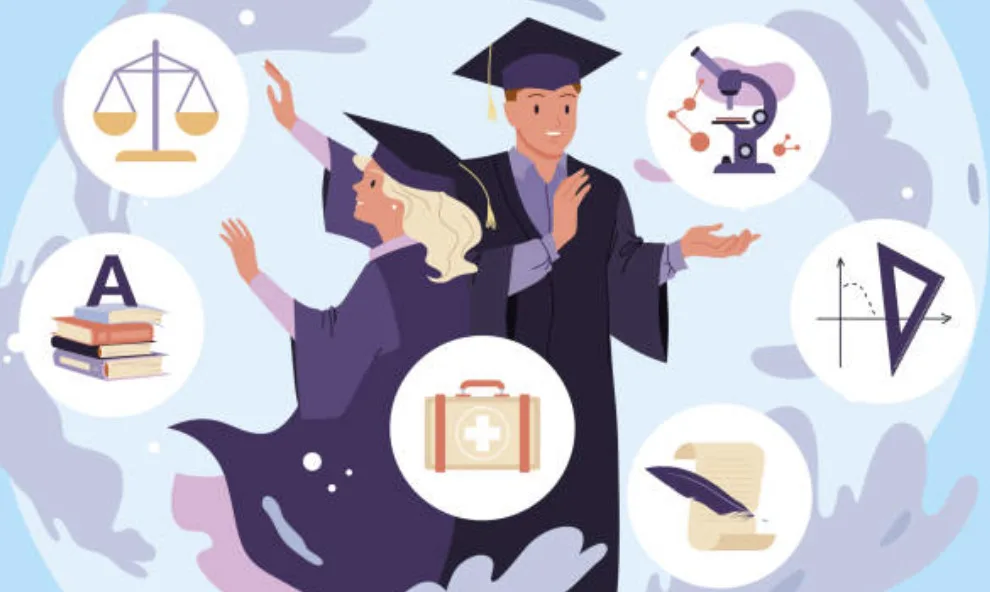
By the time my younger children reached high school, I had begun to rethink what readiness and success truly mean. With my third and fourth children, we intentionally broadened the conversation. We talked openly about trades, careers, entrepreneurship, military service, certifications, community college, and four-year degrees—not as hierarchies, but as legitimate options.
When my third daughter chose to take a gap year between high school and college, it was a turning point for our family. That year gave her time to work, to experience the realities of different jobs, and to reflect thoughtfully on what she wanted her education to prepare her for. It was not a detour—it was clarity. And it affirmed something I now believe deeply: students benefit when they are given space to understand who they are before being rushed into deciding where they are going.
At Freedom in Education, we believe there are many meaningful paths after high school, and not all of them lead to a four-year college. What matters most is not the label attached to a path, but whether it aligns with a student’s strengths, interests, and long-term goals.
At the same time, true educational freedom depends on strong preparation. Students can only pursue diverse pathways when they graduate with solid literacy, numeracy, and the habits of mind that support lifelong learning. When classrooms lose focus on knowledge, structure, and effective instruction, students’ choices narrow—even as schools claim to expand opportunity. Restoring strong academic foundations is not about limiting options; it is about ensuring students are prepared to thrive in whichever path they choose.
Education should cultivate more than credentials. It should develop self-knowledge, responsibility, resilience, and confidence—the qualities that allow young people to adapt, grow, and lead over a lifetime.
At Freedom in Education, we are committed to supporting families, educators, and state leaders in building systems that honor this truth. By expanding access to high-quality instruction, supporting alternative pathways, and restoring clarity around what readiness truly means, we work to ensure every student has the opportunity to thrive—on their own terms.
There is no one-size-fits-all future. And that is not a weakness of our system—it is its greatest strength.
Thank you for standing with us as we continue working to restore educational freedom, expand opportunity, and help students pursue paths that lead to meaningful, fulfilling lives.
With gratitude and optimism,
Melissa Jackson
President
Freedom in Education