BY: Natasha Jasperson
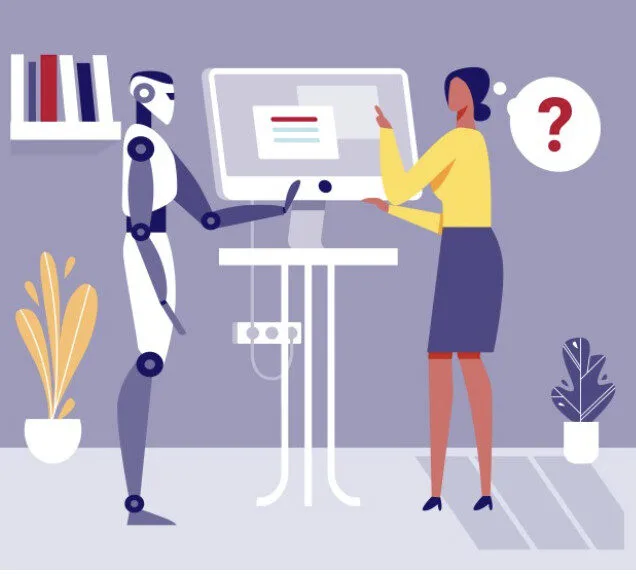
In recent years, the integration of artificial intelligence (AI) into educational settings has accelerated rapidly, reshaping how students learn and how teachers teach. From adaptive learning platforms to automated grading systems, technology promises greater personalization, efficiency, and accessibility. Yet, this transformation has sparked an important debate: is AI truly enhancing the quality and fairness of education, or is it inadvertently widening existing gaps and diminishing the human connection essential to learning? While these tools offer remarkable potential to tailor instruction and broaden access, they also raise serious concerns about equity, ethical oversight, and the diminishing role of educators in fostering critical thinking and emotional growth.
AI is revolutionizing education by transforming traditional classrooms into dynamic, adaptive learning environments. One of the most compelling cases for integrating AI and educational technology (EdTech) is its ability to personalize learning. AI-driven platforms can analyze student data in real time and adjust content, pacing, and delivery methods to suit individual learning styles and needs. Tools like Khan Academy, Duolingo, and ChatGPT already demonstrate how adaptive technology can scaffold instruction and provide targeted support, allowing students to master concepts at their own pace.
The shift is not just about convenience, it’s about redefining the goals of education itself. As Chris Dede of the National AI Institute for Adult Learning and Online Education said, “The trick about AI is that to get it, we need to change what we’re educating people for. If you educate them on what AI can’t do, then you’ve got IA – Intelligence Augmentation.” Rather than competing with machines, education should empower students to amplify their uniquely human strengths, such as creativity, critical thinking, empathy, and ethical reasoning, while using AI as a partner in the learning process.”
A Paradigm Shift in Educational Technology
The momentum is already building. A 2021 field scan revealed that developers across educational technology sectors, from classroom instruction and student information systems to school logistics and parent-teacher communication, are planning to embed AI into their platforms. This signals not just a trend, but a paradigm shift. As schools increasingly adopt AI tools, the potential for truly personalized, inclusive, and engaging education becomes more achievable. AI doesn’t replace teachers; it empowers them to meet every student where they are and help them reach where they want to go.
“What’s missing is a sense of creativity and imagination. AI could empower entirely new models of teaching and learning: models that are more personalized, exploratory, and learner-driven. But instead, most institutions are deploying AI to do the same things we’ve always done: deliver top-down instruction, monitor performance, and control behavior. It’s the same pedagogy, now with machine assistance. That only entrenches things rather than leapfrogging ahead,” John Morovec, founder of Education Futures LLC, said.
“I want to emphasize this isn’t the fault of individual educators. Teachers are often constrained by systems that prize efficiency, compliance, and control over curiosity, agency, and play. To see meaningful gains from AI, we must redesign the systems in which teachers and students operate. That means shifting from automation of old processes to reimagining what learning can be when people are trusted and empowered to work with intelligent tools on their own terms.”
Forsyth County Schools in Georgia issued guidance on the use of AI in their class syllabuses for the 2025-2026 school year. The guidance states students will use age-appropriate AI tools for educational purposes only, follow teacher guidance on the use of AI tools, submit work that is fundamentally their own, and provide proper citations when AI is used, evaluate the purpose, safety, and the trustworthiness of AI tools before their use, review and critically access the output of AI tools recognizing that Ai may contain bias and inaccuracies, not use AI tools to propagate harmful, misleading, offensive or inappropriate content. This guidance is similar to Ai guidance found in college syllabuses.
Advancing Equity Through AI
AI and EdTech are powerful tools for expanding access and promoting inclusion in education, especially for students who have historically been underserved. Whether reaching learners in rural communities, students with disabilities, or those from under-resourced schools, technology can bridge critical gaps in educational equity. With AI-driven translation tools, text-to-speech software, and customizable learning platforms, students can engage with material in ways that suit their language, ability, and learning style. This creates a more inclusive classroom where every student has the opportunity to succeed.
While AI has the potential to transform learning, it can also exacerbate existing inequalities. Not all students have reliable access to digital devices, high-speed internet, or the technical support needed to fully participate in AI-enhanced education. This digital divide disproportionately affects students in low-income households, rural communities, and underserved schools. A 2024 study found that 28.0% of school age children reported they did not use the Internet at school or at home and another 22.8% reported using the Internet at home but not at school.
Supporting Educators, Not Replacing Them
Beyond direct learning support, AI can alleviate the administrative burden on educators by automating tasks such as grading, attendance tracking, and data collection. This frees up time for teachers to focus on what matters most: building relationships and supporting students’ social and emotional development. By analyzing student data, AI can help identify learning gaps and guide real-time instructional adjustments, thereby enhancing the effectiveness of the curriculum for all learners.
Kim Goodwin, a high school math and chemistry teacher in Florida, said, “It comes down to teachers. It comes down to teachers having more training. Because the kids are going to work their way around trying to figure out how to use AI.”
According to AI in Schools: Pros and Cons, these tools not only improve accessibility but also empower educators with a broader range of resources and strategies. In this way, AI in education is not just a technological upgrade; it’s a step toward a more inclusive and responsive education system that recognizes and adapts to the diverse needs of today’s students.
AI as a Co-Pilot, Not a Replacement
AI’s greatest promise in education may lie not in replacing teachers, but in empowering them. By automating routine tasks like grading, lesson planning, and language translation, AI can act as a “co-pilot” that frees educators to focus on what they do best: building relationships, fostering critical thinking, and nurturing students’ growth. The U.S. Department of Education explicitly rejects the notion that AI could or should replace teachers. Instead, it emphasizes that AI systems must be inspectable, explainable, and overrideable, ensuring teachers retain professional judgement and control in the classroom.
Morovec said, “So, the real risk isn’t that AI will ‘dominate’ us. It’s that we’ll use it uncritically, without understanding the assumptions built into it or the power structures behind it. Like a hammer, AI can be used to build something beautiful or to do real damage. The presence of the tool itself isn’t dangerous, but rather how we design, deploy, and govern it.
If AI becomes dominant in ways that narrow students’ thinking, enforce conformity, or prioritize surveillance over learning, then yes, we have a serious problem. But if we approach AI as a co-creative partner (i.e., one that augments our capacity to question, imagine, and explore) then it can enrich learning in ways we’ve only begun to consider.
Parental Support and Systemic Gaps
There is growing support for this teacher-centered vision of AI. In a recent National Parents Union survey, 52% of parents said their children would benefit from AI-enhanced, personalized lesson plans created by teachers, and 56% believed AI-powered tutoring could positively impact their children’s education. Yet, while excitement grows, support systems lag behind. According to RAND, only 18% of principals report that their schools provided guidance on AI use, and there was an even lower 13% in high-poverty schools. Despite Biden’s 2023 Executive Order calling for more structure in educational AI adoption, as of April 2025, only 26 states have issued guidance. Some of the safeguards prohibit unauthorized use of school data for training new AI models, establish a process for contesting AI-generated grades, and place restrictions on AI-powered surveillance and behavioral tracking. This patchwork approach underscored the urgent need for professional development and policy alignment to ensure teachers, especially those in underserved districts, can adopt AI equitably and effectively.
Ultimately, AI should be a tool that strengthens teachers’ impact, not sidelines it. With the right support, educators can use AI to tailor instruction, close learning gaps, and bring creativity and flexibility back into the classroom. Teacher support must remain at the center of AI integration if we’re to unlock its full potential in education.
Trump’s 2025 Executive Order on AI Education
On April 23, 2025, President Trump signed an executive order entitled Advancing Artificial Intelligence Education for America’s Youth to strengthen America’s leadership in AI by promoting AI education and workforce development. The order establishes the White House Task Force on AI Education to integrate AI training in K-12 education, support teachers, and launch a national Presidential AI challenge. It encourages public-private partnerships and prioritizes AI in federal grants and research. The order directs the Department of Labor to expand AI-related apprenticeships and training programs, using federal funding to prepare students and workers for careers in the AI-driven economy of the future. This order rolled back Biden’s previous executive order on AI, which focused more on balancing AI innovation with equity, civil rights, consumer protection, and national security. Trump’s executive order focuses on removing regulatory barriers to maintain U.S. AI dominance. The order instructs the Office of Management and Budget (OMB) and relevant agencies to reverse Biden-era memoranda that imposed procedural requirements related to equity, misinformation, environmental impact, and diversity in AI procurement and deployment. On June 30th, 2025, 60 organizations signed the White House Pledge to Support America’s Youth and Invest in AI Education. The goal of the pledge is to make AI education more accessible to K-12 students across the country. Companies that signed the pledge include Google, IBM, MagicSchool, Meta, Microsoft, NVIDIA, and Varsity Tutors.
Concerns About Overreliance and Human Connection
While the integration of AI and EdTech holds great promise, it also raises important concerns, chief among them being the risk of overreliance on technology. When digital tools become the default solution, there is a danger that essential elements of education, such as human connection, emotional intelligence, and critical thinking, may be diminished. Students need more than just correct answers; they need meaningful interactions with educators who can mentor, inspire, and challenge them in ways machines cannot.
Kim Goodwin said, “I can see that AI can be a valuable tool. But I can also see that it can create generations and generations of non-thinkers.”
The Risk of Replacing Teachers
Another major concern is the potential for AI to shift from supporting teachers to replacing them. Without careful oversight, schools may be tempted to cut costs by using AI as a substitute for human educators, especially in underfunded and rural districts. This not only risks undermining the profession but also overlooks the irreplaceable value teachers bring to the classroom. As AI continues to evolve, education systems must prioritize the role of teachers as central figures in learning, ensuring technology is used to enhance, not replace, the human experience in education. There have been no reports of AI replacing teachers at this time.
Data Privacy and Surveillance in Schools
The use of AI in education raises important questions about student data collection, privacy, and surveillance. AI systems rely on large volumes of personal data to operate effectively, often including academic performance, behavioral patterns, and engagement metrics. This leads to critical concerns as to who controls the data and what they are doing with it. Without clear policies and strong oversight, there is a risk of misuse, breaches, or third-party exploitation. Additionally, some AI tools enable constant monitoring, which can feel invasive and discourage student behavior.
Another key issue is algorithmic bias, which can have serious consequences for educational equity. If AI systems are trained on incomplete or biased data, they may reinforce existing disparities and lead to unfair outcomes, particularly for students from underrepresented backgrounds. Overreliance on AI can also reduce meaningful teacher-student interactions, replacing human judgment with automated decisions that lack context or empathy. This, coupled with the high costs of implementation and maintenance, and the potential for unethical use without safeguards in place, it is clear that AI must be approached carefully. Ensuring transparency, fairness, and accountability is essential for responsible integration into the classroom.
Morovec said, “To move forward ethically, we need structural change. We need transparent, auditable systems. We need strong data protection laws and algorithmic accountability. And more importantly, we need to invest in community-owned, open-source alternatives: AI infrastructures that are designed with, by, and for the people they serve. Anything less perpetuates a system of digital exploitation under the guise of educational innovation.”
As a result, there is a real risk that AI could widen achievement gaps rather than close them. Students without the necessary infrastructure may fall further behind, while their more resourced peers benefit from personalized and data-driven instruction. To ensure AI fosters equity rather than division, targeted investments and policies must prioritize accessibility and support for all learners.
A Divided Public on AI in Education
According to a NBC News Desk Poll, just over half, 53%, of survey respondents agreed that integrating AI tools into classrooms could better prepare students for the future. Supporters argue that AI fosters digital literacy, critical thinking, and adaptability, which are skills that are essential for success in a rapidly evolving workforce. Like calculators and the internet before it, AI is seen as a technological advancement that can enhance learning and expand opportunities. However, 47% of respondents believed banning AI tools in schools would better serve students. This group often raises concerns about academic dishonesty, reduced critical thinking, overreliance on technology, and privacy risks. Their stance reflects a desire to maintain traditional educational values and ensure students develop foundational skills with technological shortcuts.
The Lack of Policy and Guidance
This national divide mirrors the uneven landscape within schools themselves. According to the RAND American Educator Panel, only 18% of U.S. principals said their schools or districts had provided guidance on AI use. As of April 2025, only 26 states have issued any formal guidance, leaving the majority of educators without consistent policies or professional development. Nearly one in five teachers report using AI in the classroom, but the lack of training and equitable access poses a major barrier to responsible, innovative adoption. Tools like the TeachAI Guidance Toolkit offer practical solutions, but until widespread implementation occurs, schools risk deepening educational inequalities while public opinion on AI remains sharply divided. Many schools are currently focused on cell phone bans.
As AI becomes increasingly integrated into educational tools and platforms, school districts and policymakers are beginning to confront its implications. Many districts have begun drafting policies that regulate how AI tools can be used in the classroom, with a focus on balancing innovation with academic integrity and student well-being. These district-level policies often address concerns such as cheating, privacy, and teacher oversight, though they vary widely in scope and clarity. At the federal level, guidance has primarily focused on safeguarding student data, with agencies emphasizing the importance of transparency, consent, and compliance with existing privacy laws like FERPA and COPPA.
Integrating AI into Curriculum
There is also a growing push to update curricula to reflect the changing technological landscape. Several states and districts are exploring the inclusion of digital and AI literacy as core competencies, recognizing that students will need more than basic tech skills to thrive in an AI-driven world. These curricular shifts aim to equip students not only with the ability to use AI tools responsibly but also to understand the ethical, social, and economic implications of AI technologies. However, without coordinated federal and state mandates, implementation remains inconsistent, and many educators are left without the training or resources needed to teach these emerging subjects effectively.
The Role of Regulation
As AI tools become more common in K-12 education, discussions around appropriate regulation have gained momentum. Lawmakers, school boards, and technology developers each play a role in shaping how these tools are introduced and managed in schools. Legislators can help establish consistent standards for data privacy, transparency, and appropriate use, while school boards are well-positioned to adapt those standards to local needs through policies that support both innovation and student protections. Technology companies also have a role to play by designing tools with clear documentation, privacy safeguards, and features that align with educational goals.
Alongside regulatory efforts, many experts and educators have called for the development of ethical frameworks specific to AI use in K-12 settings. These frameworks could offer guidance on issues such as algorithmic bias, informed consent, data ownership, and the potential effects of AI-based learning environments on students. Given the unique developmental and educational needs of children, a thoughtful, age-appropriate approach to AI ethics may help schools make informed choices about the tools they adopt. While perspectives vary on how prescriptive these frameworks should be, collaboration among policymakers, educators, families, and technology developers can support a more balanced approach to AI integration in education.
Finding a Human-Tech Balance
As schools navigate the evolving role of AI in education, a balanced approach is essential, one that embraces technology as a tool to support, not replace, human instruction. Hybrid models that combine traditional teaching with AI-enhanced resources can help personalize learning, streamline administrative tasks, and give educators more to focus on student engagement and well-being. The goal is not to automate education, but to enhance it in thoughtful, targeted ways that respect the core values of teaching and learning.
Achieving this balance requires meaningful investment in educator training and equitable access to technology. Teachers need professional development that helps them understand both the capabilities and limitations of AI tools, along with strategies to use them effectively in diverse classrooms. Equally important is addressing disparities in infrastructure, devices, and digital literacy, especially in under-resourced schools. To ensure responsible and inclusive adoption, families and communities should also be included in decision-making around educational technology/ Their input can help shape policies that reflect local values, build trust, and create a shared vision for how AI fits into the future of learning.
A Human-Centered Future for Education
The ongoing debate around AI in education is not a question of choosing between technology and human teaching; it’s about how to use AI intentionally, ethically, and equitably. As schools, districts, and communities consider how best to integrate these tools, the focus should remain on enhancing, not undermining, the relationships, creativity, and critical thinking at the heart of effective teaching. Thoughtful implementation, grounded in strong policy and guided by clear ethical frameworks, can help ensure that AI supports students and educators alike. The future of education is deeply human, not just digital, and AI must serve, not replace, that mission.